

 Contact us
 Visit CPRE.org
 Donate
100,000+ people engage with our housing and countryside message
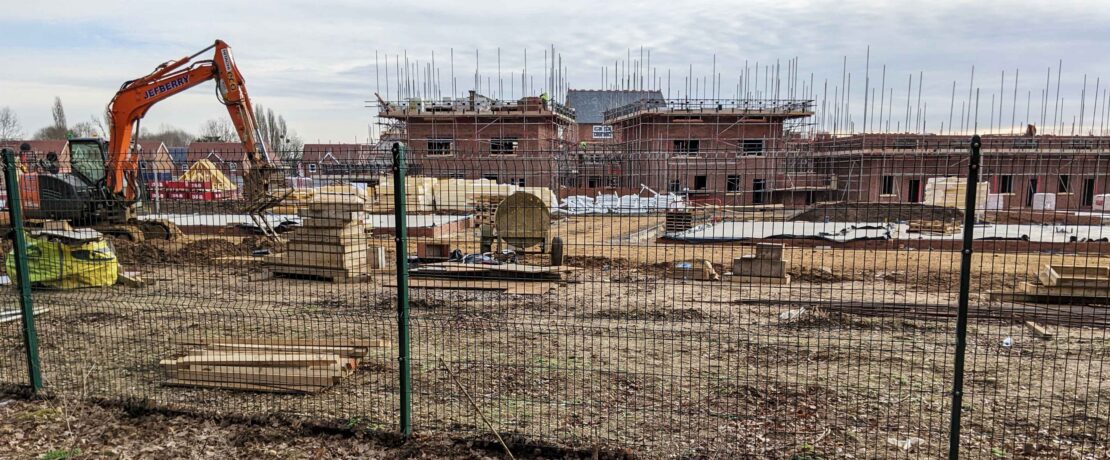
Our recent CPRE Hertfordshire social media post went viral, attracting more than 100,000 views, 1,300 likes, 500 shares and generated considerable public discussion.
We have summarised the discussion and written to all Hertfordshire MPs to share the message with them. We are asking them to use their influence with colleagues and in Parliament, so that government will focus planning policy on ensuring sites with planning permission are delivered, make full use of brownfield land, bring empty homes back into occupancy, and ensure infrastructure is delivered alongside development before further countryside is lost.
Here is our letter.
More than 100,000 people engage with CPRE Hertfordshire housing and countryside message
Dear <Name of MP>,
I wanted to share feedback from a recent CPRE Hertfordshire social media post which attracted more than 100,000 views, 1,300 likes, 500 shares and generated considerable public discussion.
The post highlighted evidence showing that, across England, there are:
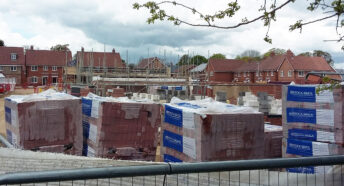
- More than 1.4 million homes with planning permission that remain unbuilt.[1]
- Capacity for at least 1.54 million homes on identified brownfield land.[2]
- More than 300,000 long-term empty homes.[3]
In Hertfordshire alone, local authority Brownfield Land Registers identify capacity for 26,779 homes, while more than 5,000 long-term empty homes could potentially be brought back into use.
Although comments expressed a range of opinions, several clear themes emerged:
Strong support for a brownfield-first approach
Many questioned why greenfield and Green Belt sites should be developed when substantial brownfield capacity and empty homes remain available. There were repeated calls to prioritise previously developed land and underused housing stock before sacrificing more countryside.
A focus on delivery, not permissions
Many felt the priority must be building homes already approved, rather than granting further planning permissions. There was considerable frustration at the number of consented homes remaining unbuilt, with calls for action to address land-banking and accelerate delivery.
Infrastructure must keep pace
Road congestion, water supply, sewerage capacity, public transport, GP services and schools were frequently raised. Residents want sustainable communities, not simply higher housing numbers.
Protecting countryside and food security
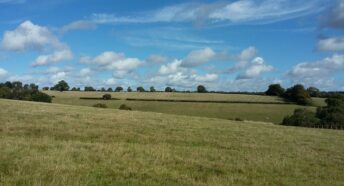
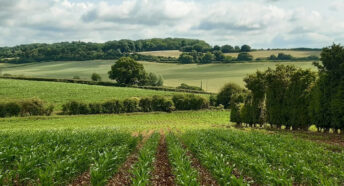
There was strong concern about the loss of Green Belt, productive agricultural land, wildlife habitats and valued landscapes. Some specifically linked the loss of agricultural land to the need for food security and recent government messaging on national resilience.
The need for a joined-up housing strategy
Many supported our campaigning position calling on the government for a more strategic approach that prioritises bringing empty homes back into use, accelerating development on sites with existing permission, and maximising brownfield utilisation, while ensuring infrastructure is delivered alongside new housing. Crucially, these opportunities should be pursued before further greenfield development is considered.
While some acknowledged market conditions and viability constraints, the overall response demonstrated significant public interest in meeting housing needs without unnecessary loss of countryside.
We hope you will take these concerns into account and use your influence with colleagues and in Parliament. The message from many Hertfordshire residents is clear: focus planning policy on ensuring sites with planning permission are delivered, make full use of brownfield land, bring empty homes back into occupancy, and ensure infrastructure is delivered alongside development before further countryside is lost.
We would welcome the opportunity to discuss how these principles can be reflected in national and local planning policy.
– – –
[1] The Institute for Public Policy Research (IPPR)
[2] CPRE – the Campaign to Protect Rural England
[3] Action on Empty Homes